
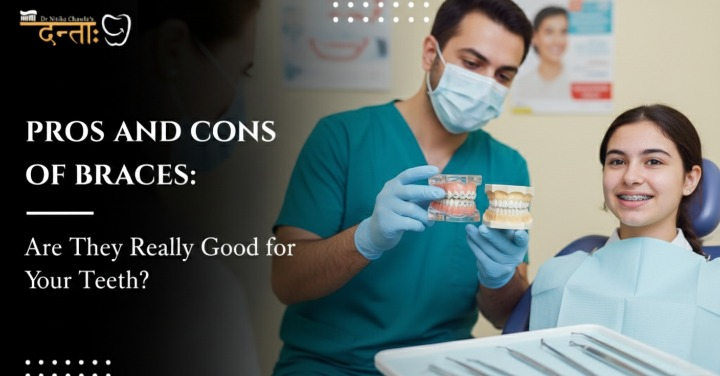
Braces are a common dental treatment used to fix crooked, crowded, or misaligned teeth. Many children, teenagers, and even adults get braces to improve their smile and oral health. Before choosing this treatment, it is important to understand the pros and cons of braces clearly. This article explains braces in simple words. It will help you decide if braces are the right choice for you.
What Are Braces and How Do They Work?
Braces are small metal, ceramic, or plastic parts that dentists fix on teeth. They slowly move teeth into the right position. Wires and bands work together to apply gentle pressure. Over time, teeth become straight and properly aligned.
When learning about braces, knowing the pros and cons of braces helps patients feel confident. Some people worry about pain, while others think only about a beautiful smile. Both sides matter. Dentists suggest braces when teeth problems affect chewing, speaking, or cleaning.
Types of Braces and the Pros and Cons of Braces for Each Type
There are different types of braces, and each has its own pros and cons of braces. The most common types are:
Metal Braces: These are strong and work very well. They are the most affordable but are visible.
Ceramic Braces: They match tooth color and look less noticeable. They cost more than metal braces.
Lingual Braces: These are placed behind the teeth, so they cannot be seen easily. Cleaning them is harder.
Clear Aligners: These are removable and look almost invisible. They may not work for very serious teeth problems.
Advantages / Pros of Braces – Key Benefits Explained
The advantages of braces are many, especially for long-term dental health. One major benefit is straight teeth. Straight teeth are easier to clean and less likely to get cavities.
Another benefit is better chewing. When teeth are aligned, food breaks down easily. This helps digestion. Braces also improve speech problems caused by teeth gaps.
People often feel more confident after treatment. A straight smile boosts self-esteem. These points clearly show the pros and cons of braces, where the positive side helps both health and appearance.
Are Braces Really Good for Your Teeth? – Pros and Cons of Braces Explained Simply
Many people ask, is braces good for teeth? The simple answer is yes, when needed. Braces fix bite problems, reduce jaw pain, and protect teeth from damage.
However, they only work well if patients follow dental advice. Poor cleaning can cause stains or cavities. This balance shows the pros and cons of braces in real life.
Dentists agree that the effectiveness of braces depends on proper care, age, and overall dental condition.
Who Should Consider Getting Braces?
Children, teenagers, and adults with crooked or crowded teeth should think about braces. Early treatment helps guide jaw growth in children. Adults can also enjoy the advantages of braces, like better smiles and healthy bites.
People with chewing trouble or speech problems benefit most. Dentists check alignment before suggesting treatment. Knowing the pros and cons of braces helps families make smart decisions together.
If you often wonder is braces good for teeth, a dental check-up is the best way to get the right answer.
Tips for Managing Braces Effectively
Managing braces well helps reduce pain, protect your teeth, and achieve faster, better results. Good daily habits, food choices, and regular dental visits make braces treatment smoother and more comfortable.
- Brush teeth gently after every meal using a soft toothbrush, fluoride toothpaste, and proper orthodontic brushing technique daily.
- Avoid hard, sticky, chewy foods like candies, popcorn, gum, and nuts to prevent damage.
- Attend all dental appointments on time for adjustments, progress checks, and guidance throughout the treatment period.
- Wear retainers or mouthguards as advised to protect braces and maintain proper teeth alignment effectively.
Why Choose Dantaa Dental for Braces? – Trusted Care and Clear Guidance
Dantaa Dental offers safe and friendly braces treatment for all ages. Their experts explain the pros and cons of braces in simple words so patients feel comfortable.
They use modern tools and focus on patient care. From choosing the right type to regular follow-ups, Dantaa Dental supports you at every step. Understanding the advantages of braces and managing the disadvantages of braces becomes easier with expert help.
Final Thoughts on the Pros and Cons of Braces
Braces are a powerful way to improve your smile and dental health. The pros and cons of braces show that while treatment takes time and care, the results are long-lasting. Straight teeth, better chewing, and higher confidence are strong benefits.
Understanding both the benefits and limitations of braces helps you make the right choice for your dental health. With proper care and the right dental clinic, braces can truly change your life for the better.
Frequently Asked Questions About Braces
- Q1: Are braces good for your teeth?
Yes, braces are good for your teeth when needed. They straighten teeth, improve bite, and make cleaning easier, which helps prevent cavities and gum problems.
Q2: How long does braces treatment usually take?
Braces treatment usually takes 12 to 24 months. The exact time depends on how crooked the teeth are and how well dental instructions are followed.
Q3: Are braces better than aligners?
Braces are better for serious alignment problems. Aligners work well for mild issues, but braces give stronger and more controlled results in complex cases. - Q4: Do braces permanently fix teeth alignment?
Braces can permanently fix teeth alignment if retainers are worn after treatment. Without retainers, teeth may slowly move back to old positions.
Q5:How often should I visit the dentist while wearing braces?
As suggested by the dentist, you should visit every four to six weeks for adjustments, progress checks, and proper guidance during treatment